
Day hike
Water, a shell, a layer, and a lamp if the day might run long.
Who it is for. A maintained trail you will finish in daylight, with a margin.
- The shoe is optional in this kit. Wear boots if that is what fits.
- Download the map.
- Turn around before the light goes if you skipped the lamp.
As an Amazon Associate, Trailkit Outdoor earns from qualifying purchases. Full disclosure
Packing list
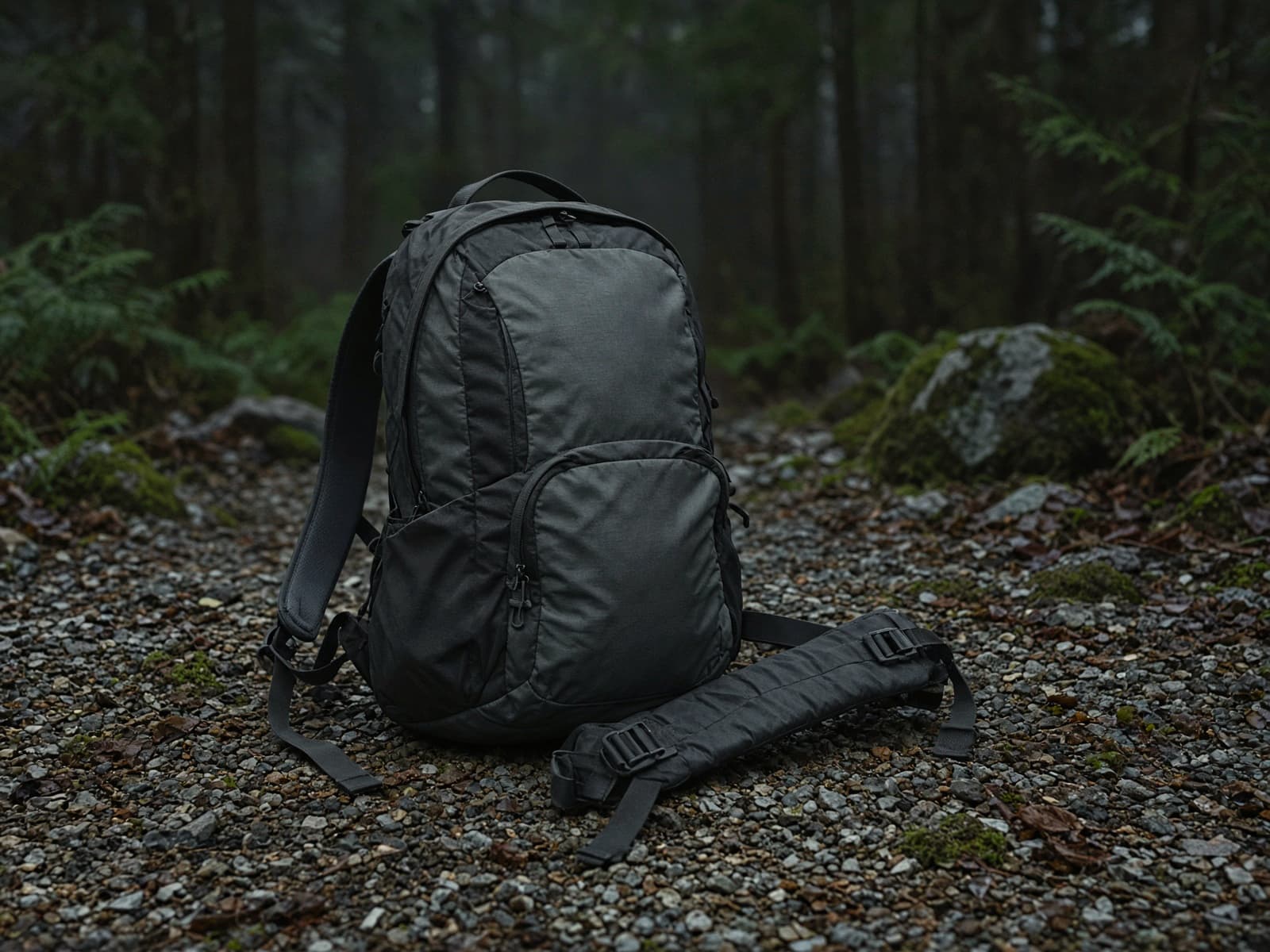
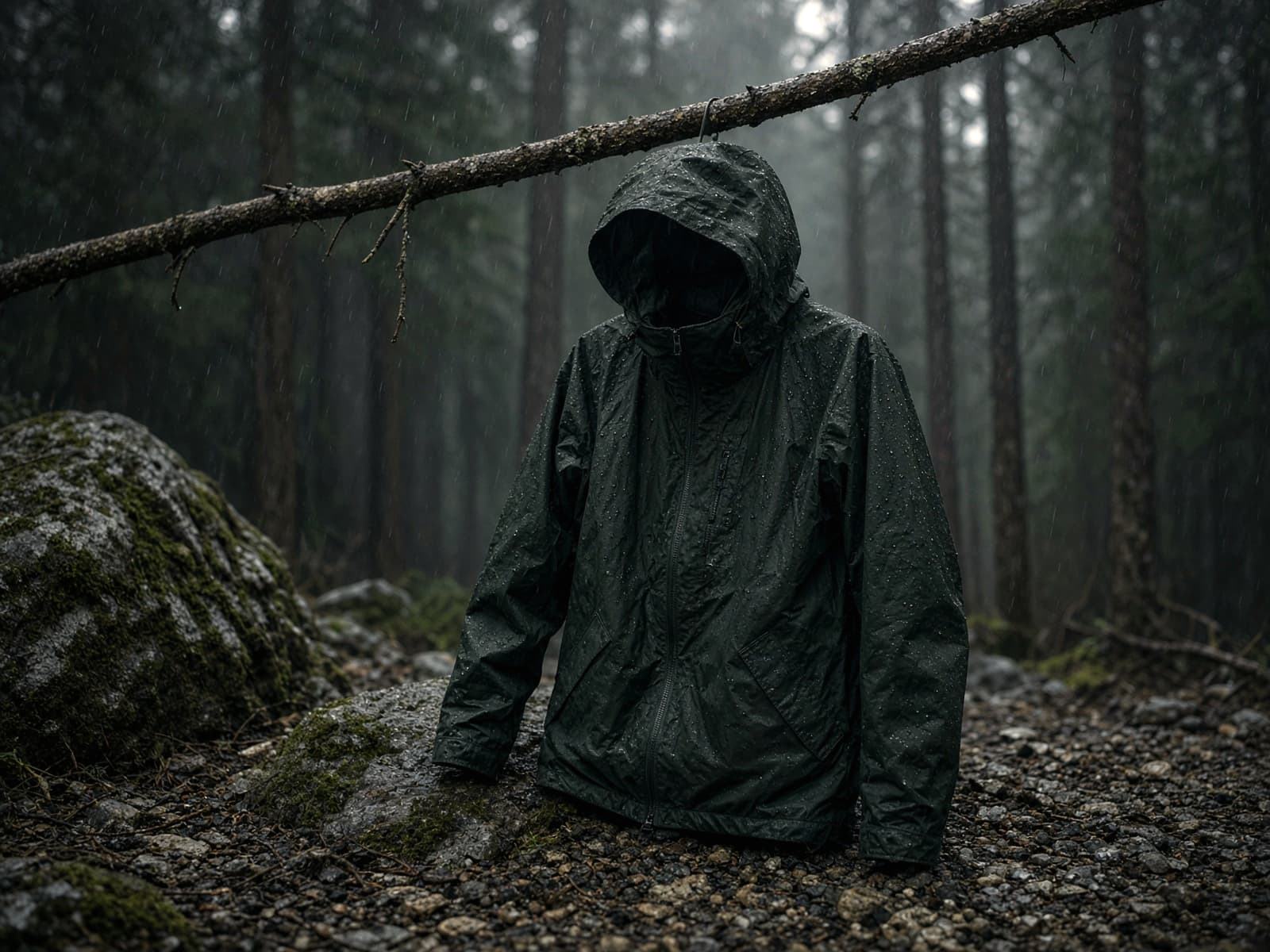
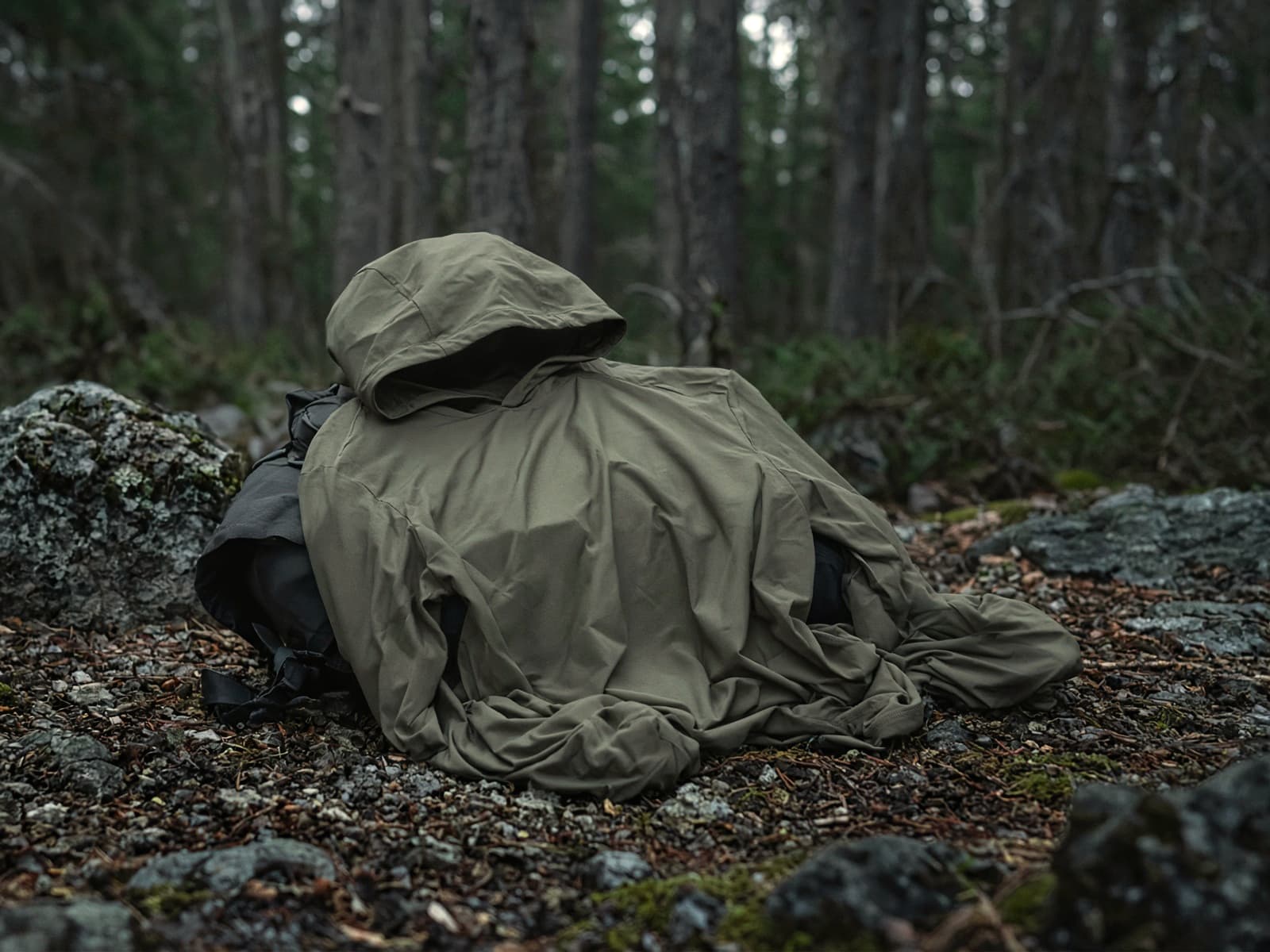
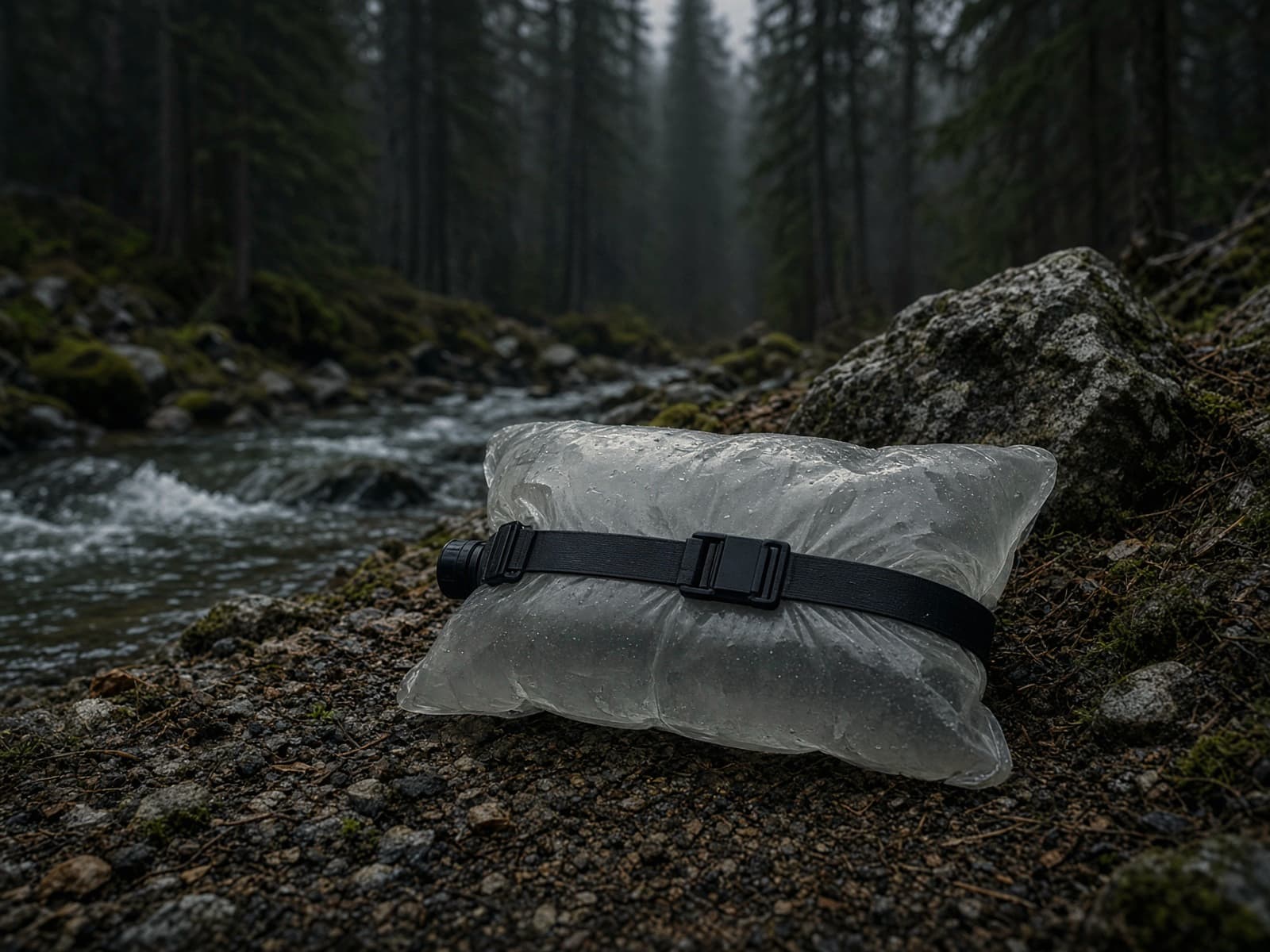
Osprey Talon 22, from this kit.
Check current price on the listing.

Best daypack
Osprey Talon 22
Most day hikes do not need a commuter bag or a 65-liter backpack. The Talon 22 sits in the middle: a hip belt that takes the water weight off your shoulders, a place for bottles or a bladder, and enough room for a shell and a layer. It is not an overnight pack. A sleep system will not fit, and forcing it in is how people buy a pack that is too small and then hate it. The REI Trail 40 is the neighbour when a long day needs more water and layers, or when a first overnight kit is compact. The Atmos AG 65 is the neighbour when the trip is multi-day and the load needs a real frame. The Tempest is the women's counterpart of this daypack. Put the rain shell in it even when the morning looks clear.
Who should buy it. Day hikers who are tired of shoulder-only bags.
Pros
- Real hip belt
- Stable
- Right size for a day
Cons
- Too small for a sleep system
- Not ultralight
Check current price on the listing.

Budget everyday rain jacket
Columbia Watertight II
It is fine for a trail that might spit rain and for the walk from the car. On a humid climb you will be wet from the inside. Pit zips matter more than the logo once the rain is real. Move up when you start hiking in weather on purpose.
Who should buy it. Casual hikers who need one inexpensive rain layer.
Pros
- Low price
- Easy to find
- Waterproof enough for a shower
Cons
- Clammy uphill
- Basic hood
Check current price on the listing.

Best sun layer
Outdoor Research Echo Sun Hoodie
The sun hoodie is the layer people skip and then regret at noon. UPF fabric, a hood, and air that moves. It is miserable in a downpour and useless at camp after dark. It prevents you from needing the rain shell as a sun shirt, which is how shells get sweaty and then fail.
Who should buy it. Anyone hiking in sun for more than an hour.
Pros
- Sun coverage
- Light
- Bugs dislike the hood
Cons
- No insulation
- Not waterproof
Not sold on Amazon US.
Closest on Amazon: Outdoor Research Astroman Air Sun Hoodie (men's). A hooded sun shirt from Outdoor Research. The men's Echo Sun Hoodie is not listed on amazon.com, so this is the closest hooded option from the same brand.
Check current price on the listing.

Best default filter
Sawyer Squeeze
Squeeze it from a dirty bag into a clean bottle. Backflush it. Do not let it freeze. It does not handle viruses, so it is the wrong only-tool for some international travel. In typical North American mountain water it is the default for a reason: light, cheap, and field-proven if you maintain it.
Who should buy it. Backpackers filtering lakes and streams at home.
Pros
- Light
- Inexpensive
- Threads on common bottles
Cons
- Slow when clogged
- Not a virus barrier
- Freeze damage
Check current price on the listing.

Best everyday settings
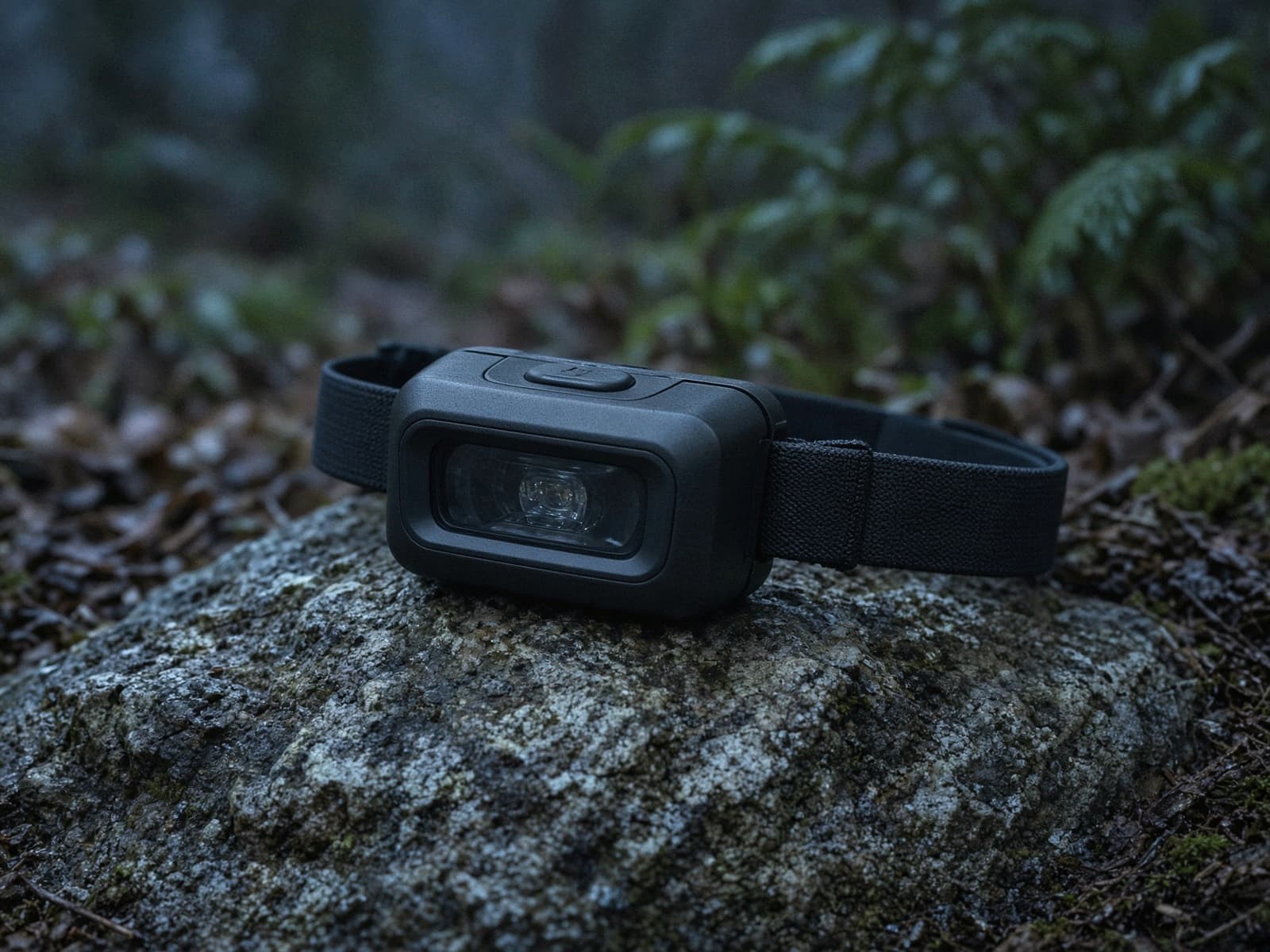
Black Diamond Spot 400-R
Spot is easy to live with: memory modes, a red night mode, and enough output. The same button that makes it convenient makes it turn on in the pack. That is a user problem with a one-time fix. The elastic will wear out years before the LED does.
Who should buy it. Campers who want red light and simple modes.
Pros
- Red mode
- Rechargeable options
- Easy modes
Cons
- Can switch on in the pack
- Band wears out
Check current price on the listing.

Best foot-shaped toe box
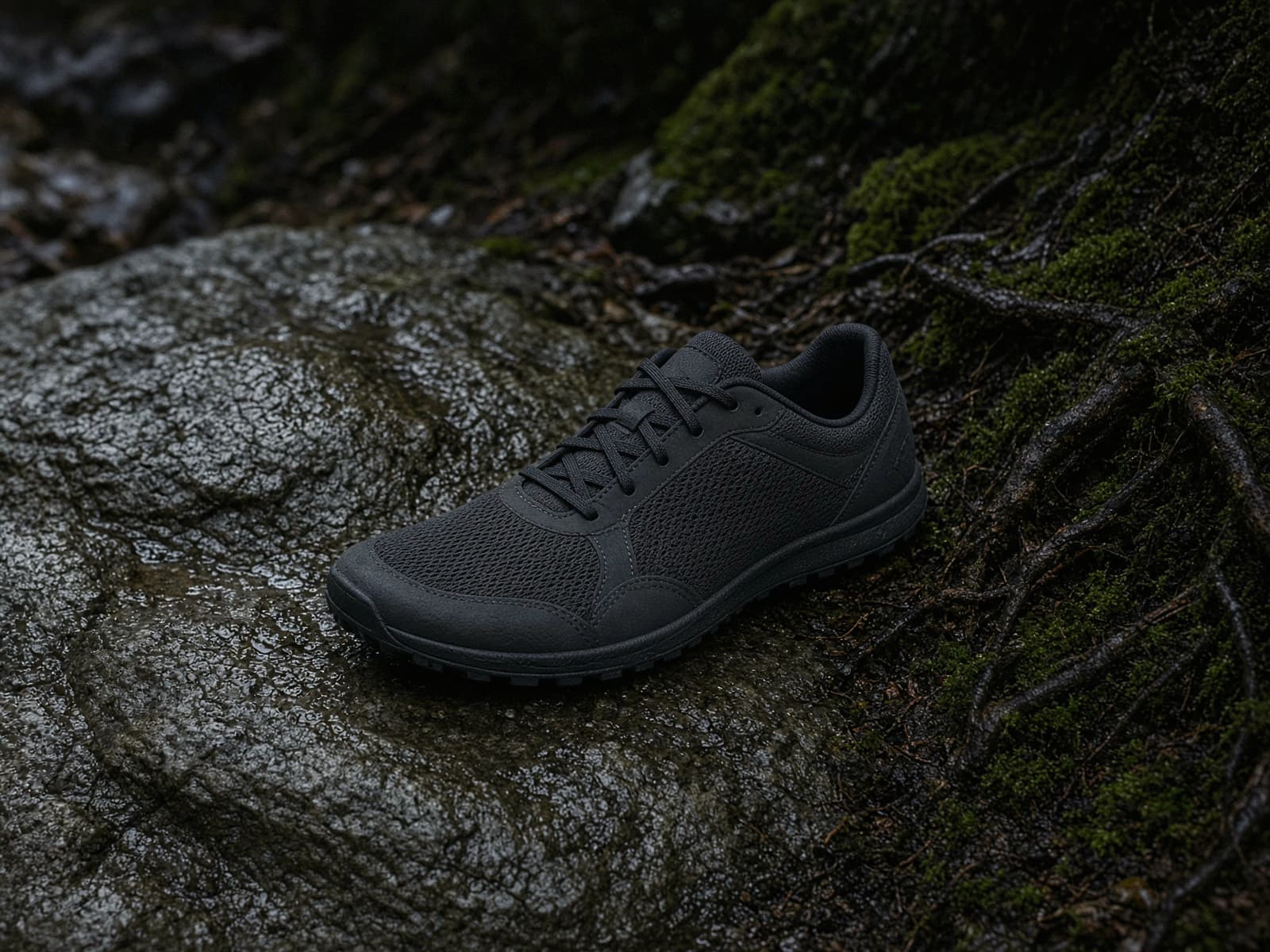
Altra Lone Peak
The Lone Peak puts the widest part of the shoe at the widest part of the foot. It is frequently a shoe, not a boot, and it is listed here because many wide-foot hikers should stop forcing a boot. Give zero drop two easy weeks. It is a weaker choice on loose scree if you want a stiff shank.
Who should buy it. Hikers whose pain is a pointed toe box on moderate trail.
Pros
- Foot-shaped toe box
- Light
- Wide naturally
Cons
- Zero-drop transition
- Less rock protection than a boot
Check current price on the listing.